Explore the Dunefields at White Sands National Park

Welcome to the world’s largest gypsum-covered expanse! White Sands National Park preserves over 145 thousand acres of the Tularosa Basin in southern New Mexico. The actual dunefield stretches over 275 miles, well beyond the White Sands Missile Range that encompasses the park. Amazingly, there’s an estimated 4.5 billion tons of gypsum sand, ranging in depth from 30 feet below the surface to as high as 60 feet to create the tallest dunes. Consistently the most visited national park unit in New Mexico, people arrive from across the country to explore the dunes on foot, horseback, and, the preferred method of kids of all ages, on a sled.

Things to Do
- Begin your day in the world’s largest sandbox at the White Sands Visitor Center, a great place to get oriented with the park’s features and points of interest. The complex around the visitor center is known as the White Sands National Park Historic District, and many of the Spanish pueblo-adobe buildings date back to the late 1930s. Step inside and watch the 17-minute park film to learn about the history and cultural significance of the area. It will also answer many of your questions. For instance, how did all this sand get here?
- If sand isn’t your thing, enjoy the park from the interior of your vehicle on the eight-mile scenic road. The partially paved road is maintained by the national park service and allows visitor to access the picnic areas, trailheads, and other points of interest within the dunefields.
- Capture stunning pictures of the white gypsum sand dunes and the local flora and fauna. You’ve probably seen the amazing pictures of the dunes with the Sacramento Mountains in the background. The best times to photograph the landscapes are as the sun is rising and setting on the horizon.
- Explore the dunes on marked hiking trails. There are five marked trails in the park, ranging from the relatively flat but scenic Interdune Boardwalk (0.4 miles) and Playa Trail (0.5 miles) to the strenuous Alkali Flat Trail (5.0 miles). The trails that lead into the heart of the dunefield are ideal for experiencing the tranquility of the park, even on busy days during the peak season.
- Race down the sand dunes on a sled. Sledding is probably the most popular family activity in the park. If you have experience on snow, it’s surprisingly similar! Purchase a plastic saucer sled in the visitor center and head out to the authorized locations on Dunes Drive.
Wildlife Observation
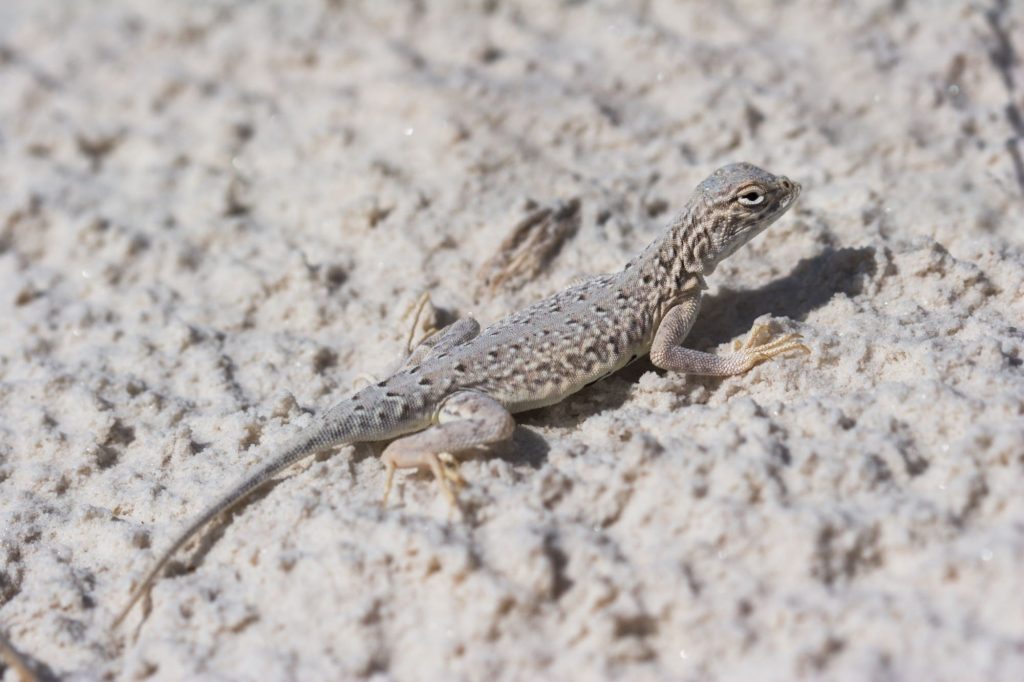
The gypsum sand dunes in the park are home to hundreds of wildlife species. Unfortunately, the vast majority of them are nocturnal and you probably won’t get to see an apache pocket mouse. However, the creatures that inhabit the dunes leave tracks behind in the sand before they disappear. It’s easy to spend hours following the tiny reptile, invertebrate, and small mammal footprints and learn about the local wildlife. There are also over 200 species of birds that live or migrate through the area. There’s a good chance you’ll see various doves and sparrows on the ground and turkey vultures, red-tailed hawks, and ravens circling in the sky.
Related Posts
Río Grande del Norte National Monument : Outdoor Recreation Galore
Just beyond the stunning Rio Grande Gorge Bridge you’ll find almost 250 thousand acres of open ...

21 U.S. Destinations to Visit in 2021: Albuquerque, New Mexico
Embrace Southwestern culture, heritage, and cuisine (plus over 300 days of sunshine!) in ...

Five Amazing Day Trips: New Mexico
From sweeping deserts to incredible mountain ranges and stunning cultural sites, New Mexico ...
About Check-it-Off Travel
We are a Stamford, Connecticut-based travel advisory service focused on assisting individuals and business professionals with travel ideas and curated itineraries for US travel. Our database is organized exactly the same as our online travel guide and consists of over 100,000 items to consider on your next trip. We can also share with you over 10,000 major annual events that take place in over 2,500 cities and small towns across the country. Our goal is to match your travel style, interests, and budget to an amazing US travel experience.